
If your dog has a swollen paw, you should first check the paw gently for any obvious injuries like cuts, thorns, or foreign objects stuck between the toes. If the swelling is mild and your dog can still walk, immediate home care can often help reduce the swelling quickly. If the swelling is severe, your dog is in pain, or the paw is hot, you must see a vet right away.
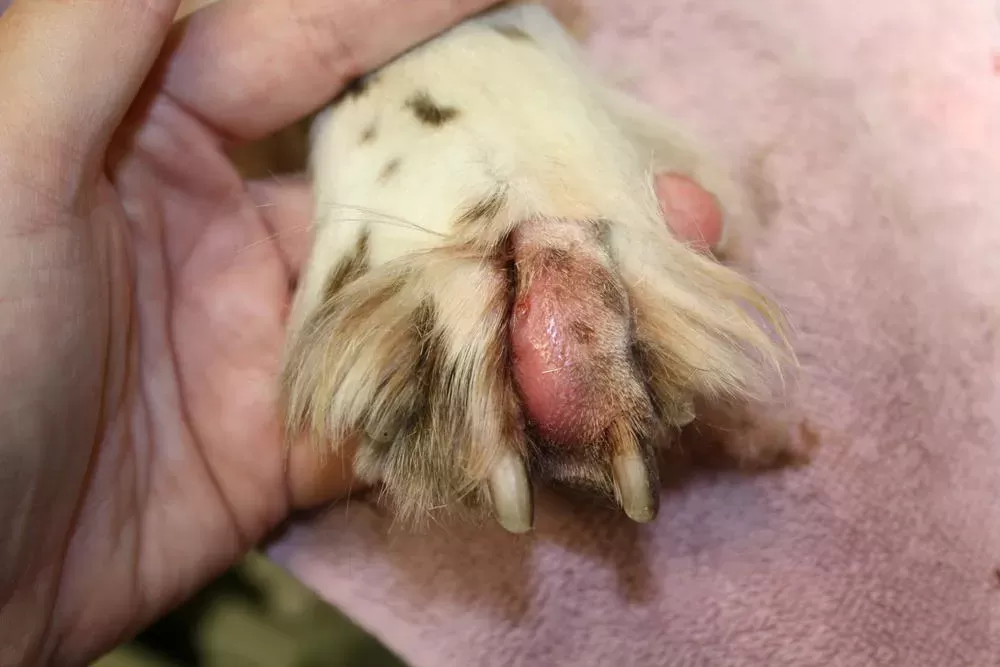
Image Source: s.puainta.com
Spotting the Signs: Identifying Causes of Dog Paw Swelling
A swollen paw is a sign something is wrong. It can happen fast or build up slowly. Knowing why it swelled helps you treat it better. We need to look closely at the paw and the dog’s behavior.
Common Reasons for Paw Swelling
Many things can cause a dog’s paw to puff up. Sometimes it’s a small problem. Other times, it signals a serious issue.
- Injury: Dogs often step on sharp things. Glass, thorns, or sharp rocks cause sudden swelling. They might also sprain or break a toe.
- Insect Bites or Stings: Bees, wasps, or spiders can bite or sting a paw. This often causes quick, localized swelling.
- Infection: Cuts that get dirty can lead to a dog paw infection signs. Pus or warmth might appear with the swelling.
- Allergies: Contact allergies (like certain grass or chemicals) can make the paw itch and swell. Food allergies can also show up in the paws.
- Burns or Frostbite: Hot pavement or ice can injure the paw pads, causing them to swell up.
- Foreign Objects: A grass awn (like a foxtail) can work its way deep into the skin, causing a painful, hard lump or swelling.
- Arthritis: Older dogs might have joints that swell due to arthritis, especially in cold weather.
- Tumors or Cysts: Though less common, growths can cause swelling.
Key Signs to Watch For
Look beyond just the size of the paw. Your dog’s actions tell you a lot.
| Sign Observed | What It Might Mean | Urgency Level |
|---|---|---|
| Sudden, hard swelling | Foreign body, severe injury, or bite | High |
| Swelling with oozing or smell | Infection | Medium to High |
| Limping, refusing to put weight down | Pain, break, or sprain | Medium |
| Paw is very hot to the touch | Serious infection or inflammation | High |
| Swelling is mild and comes and goes | Allergy or mild irritation | Low to Medium |
Immediate Steps: Dog Paw Injury First Aid
When you first notice the swelling, act quickly but gently. Your dog will be scared or in pain. Keep calm to keep your dog calm. This is essential dog paw injury first aid.
Safety First
Never put your face near a painful paw. A dog in pain might snap, even if they are usually gentle. Approach slowly from the side.
Step 1: Gentle Inspection
Carefully lift the paw. Look between all the toes and pads. Use a soft light if needed.
- Check for cuts, scrapes, or puncture wounds.
- Feel for any hard lumps or pieces of debris stuck in the fur or pads.
- Note the temperature. Is it warmer than the other paw?
Step 2: Removing Debris
If you see something small, like a thorn or a small splinter, try to remove it gently with clean tweezers. If it is deep, do not dig for it. Stop and seek help.
Step 3: Cleaning the Paw
Use mild soap and cool water to clean the paw. You can use a mild saline solution if you have it. This helps prevent infection in any minor scrapes. Pat the paw completely dry afterward.
Reducing Swelling Fast: Swollen Canine Paw Home Care
Once you have cleaned the paw and removed any obvious hazards, the next goal is to reduce the puffiness. These swollen canine paw home care methods often work well for mild to moderate swelling.
Cold Therapy (The Best First Step)
Cold helps shrink blood vessels. This reduces fluid buildup and pain. This is a fast way to treat acute swelling.
How to Apply Cold:
- Use a bag of frozen peas or ice wrapped in a thin towel. Never put ice directly on the skin.
- Hold the cold pack gently against the swollen area.
- Apply for 10 to 15 minutes at a time.
- Repeat this process every hour for the first few hours if needed.
Soaking: A Comforting Rinse
If the swelling is mild, soaking can be very soothing. This works well for dog paw inflammation remedies.
Epsom Salt Soak
Epsom salt draws out fluid and reduces inflammation.
- Fill a basin or tub with enough warm (not hot) water to cover the paw.
- Add one tablespoon of Epsom salt per quart of water.
- Have your dog soak the paw for 10 minutes. You might need to hold them gently.
- Rinse the paw well afterward with clean water to remove all salt residue.
Gentle Diluted Antiseptic Soak
If you suspect minor irritation or a small puncture, a very diluted antiseptic can help.
- Use a small amount of iodine or Chlorhexidine solution mixed with water until it looks like weak tea.
- Soak for five minutes.
- Rinse thoroughly.
Elevation
If possible, keep your dog resting with the injured paw slightly elevated. Use a rolled-up towel or blanket under their chest when they lie down so their paw rests slightly higher than their heart. This uses gravity to help drain excess fluid.
Rest and Confinement
Activity makes swelling worse. Keep your dog quiet. Leash walks only for bathroom breaks. No running or jumping. This rest period is key for healing.
Deeper Dive: Natural Remedies for Dog Paw Swelling
Some owners prefer natural remedies for dog paw swelling alongside conventional first aid. These can support the healing process. Always discuss these with your vet, especially if your dog takes other medications.
Arnica Gel
Arnica is an herb often used for bruises and trauma. Apply a small amount of veterinary-approved arnica gel topically to the swollen area. It can help reduce bruising and tenderness.
Turmeric Paste (Use Caution)
Turmeric contains curcumin, which has strong anti-inflammatory properties.
- Mix a small amount of turmeric powder with water or coconut oil to make a thick paste.
- Apply this paste carefully to the swollen area.
- Warning: Turmeric stains everything bright yellow. It is best used when the dog can rest undisturbed. Rinse off after 20 minutes.
Apple Cider Vinegar (ACV) Rinse
ACV can help balance the skin’s pH and fight mild surface bacteria.
- Mix one part ACV with two parts water.
- Use this as a final rinse after cleaning the paw, or apply it using a soaked cotton ball.
- Do not use ACV if there are open, weeping wounds, as it can sting severely.
When Home Care Isn’t Enough: Veterinary Treatment for Limping Dog Paw
Sometimes, swelling requires professional help. Knowing when to see vet for dog paw issues is vital to prevent long-term damage or serious infection.
Recognizing Emergency Signs
See a vet immediately if you notice any of the following:
- The paw is dangling strangely or the dog cannot bear any weight at all.
- The swelling is massive and appears suddenly (possible internal bleeding or severe allergic reaction).
- You see significant bleeding that doesn’t stop within five minutes of applying pressure.
- Your dog shows signs of severe pain (whining, shaking, aggression).
- You suspect a bite from a venomous creature.
Common Veterinary Diagnoses and Treatments
If you bring in a limping dog paw, the vet will perform a thorough physical exam. They might use diagnostics to find the root cause.
X-rays
X-rays are necessary to check for broken bones or if a foreign object (like a deeply embedded needle or a large piece of glass) is present.
Medication
If infection is present, antibiotics will be prescribed. For severe inflammation, the vet might use prescription anti-inflammatory drugs, which are stronger than over-the-counter options.
Wound Management
If an abscess or deep puncture exists, the vet may need to sedate the dog to clean the wound thoroughly. This is crucial for treating a swollen dog toe treatment effectively if the infection is deep. They might place a drain to allow pus to escape as the area heals.
Dealing with Severe Infection
Dog paw infection signs such as spreading redness, foul odor, heat, and pus require prompt medical care. Infections can travel up the leg into the bloodstream (sepsis) if left untreated. The vet will culture the discharge to select the most effective antibiotic.
Specialized Care: Dog Paw Bandage and Wrapping Techniques
Bandaging protects the paw while it heals. Proper dog paw bandage and wrapping techniques are essential to aid recovery without causing new problems like pressure sores or restricting blood flow. Bandaging should usually only be done after a vet has assessed the injury.
The Three-Layer Wrap
Veterinarians use a specific three-layer approach for paw protection:
- Primary Layer (Contact Layer): This layer touches the skin. It is often a non-stick dressing placed directly over any wound or scrape.
- Secondary Layer (Padding Layer): This is thick cotton or cast padding. It cushions the paw and absorbs swelling. It must be applied smoothly without wrinkles.
- Tertiary Layer (Outer Protective Layer): This is usually an adhesive wrap (like VetRap or Coban). It holds the padding in place and provides mild support.
Crucial Wrapping Rules
- Never Wrap Too Tightly: The biggest danger in home wrapping is cutting off circulation. If the toes above the wrap turn blue, cold, or swell up significantly, the wrap is too tight. Remove it immediately.
- Padding Thickness: Always use enough padding. If the wrap feels thin, add more padding underneath.
- Monitor Daily: Bandages must be checked at least twice a day for moisture, slippage, or tightness. They should usually be changed every one to two days by a professional.
Addressing Specific Locations of Swelling
The treatment often changes based on where the swelling is located.
Swollen Toes
If only one toe is puffy, it strongly suggests a foreign body penetration (like a foxtail) or a severe splinter. This requires careful investigation, often involving sedation at the vet’s office to find the culprit deep in the tissue. This is often the hardest type of swelling to treat with home care alone.
Swollen Paw Pads
If the main pad area is puffy, it could be a burn, frostbite, or a large, deep puncture wound on the bottom surface. Keep weight off the pad as much as possible. Apply cold therapy initially, then keep it clean and covered with a protective, non-stick dressing if the skin is broken.
Swollen Joint Above the Paw
If the swelling is around the ankle or carpus (the “wrist” joint), it points toward ligament strain, arthritis, or deep joint infection. This requires immediate X-rays and possibly joint fluid analysis by a veterinarian.
Preventing Future Paw Problems
Good prevention is better than emergency treatment. Keep up with regular paw checks, especially after outdoor adventures.
Regular Paw Checks
Make paw checks part of your routine grooming, like brushing teeth or cleaning ears.
- Check after walks in tall grass or wooded areas.
- Check after playing on rough surfaces like gravel or concrete.
- Trim overgrown fur between the pads. This fur traps moisture and debris.
Pad Conditioning
Use dog-specific paw wax or balm, especially before walks on rough or hot surfaces. This creates a protective layer. Proper conditioning can reduce cracking and irritation that leads to swelling.
Controlling Allergies
If your dog suffers from seasonal itching that leads to excessive licking and subsequent swelling, work with your vet on an allergy management plan. Reducing the itch means reducing the self-trauma that causes secondary infection and swelling.
FAQ Section on Swollen Dog Paws
Can I give my dog human pain relievers for a swollen paw?
No, absolutely not. Many human pain medications, like ibuprofen (Advil) and acetaminophen (Tylenol), are highly toxic to dogs and can cause severe organ damage or death, even in small doses. Always use veterinarian-approved pain relief if needed.
How long does it usually take for a swollen paw to go down with home care?
If the swelling is due to a mild sprain or minor irritation, you should see noticeable improvement within 12 to 24 hours of consistent rest and cold therapy. If the swelling does not decrease or worsens after two days of home care, you must contact your vet.
Is wrapping a dog’s paw with duct tape okay?
Wrapping a paw with simple household tape like duct tape is dangerous. It is not breathable, traps moisture leading to skin breakdown, and is often too sticky, causing pain when removed. Only use veterinary-approved wrapping materials applied correctly, preferably after professional instruction.
What if my dog keeps licking the swollen paw?
Licking introduces bacteria from the mouth, which is full of germs, directly into any small break in the skin, worsening any dog paw infection signs. You must use an Elizabethan collar (E-collar or “cone”) until the swelling subsides or until you can get professional help to manage the issue.