
If you are asking, “Can I help a dog with weak back legs?” the answer is a resounding yes! There are many effective ways to support and improve the quality of life for a dog experiencing weakness in their rear limbs. Helping a dog with weak back legs involves a mix of medical treatment, physical therapy, supportive aids, and home adjustments.
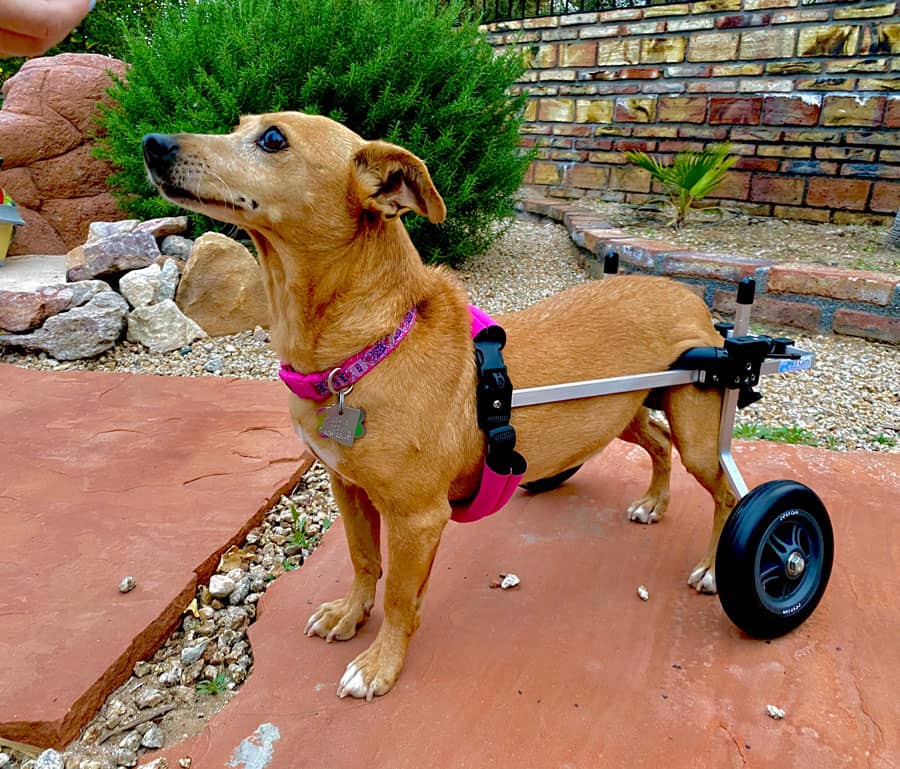
Image Source: k9carts.com
Causes of Canine Rear Leg Weakness
First, we must look at why a dog’s back legs might become weak. Knowing the cause helps guide the best treatment plan. Many issues can lead to dog hind leg weakness remedies being necessary.
Common Medical Conditions
Several health problems can weaken a dog’s hindquarters.
- Hip Dysplasia: The hip joint does not form right. This causes pain and weakness over time.
- Degenerative Myelopathy (DM): This is a disease of the spinal cord, often seen in older dogs like German Shepherds. It slowly causes loss of control and weakness.
- Intervertebral Disc Disease (IVDD): A disc in the spine ruptures or bulges. This puts pressure on the nerves going to the back legs.
- Arthritis/Osteoarthritis: Wear and tear on the joints causes pain. The dog uses the legs less, leading to muscle loss and weakness.
- Nerve Damage: Injury or other diseases can damage the nerves that send signals to the rear legs. Treating dog with paralyzed back legs often starts with finding out if the nerve damage is temporary or permanent.
Signs to Watch For
Look closely at how your dog moves. Early detection helps treatment work better.
- Stumbling or tripping frequently.
- Swaying when standing or walking.
- Difficulty jumping up or climbing stairs.
- Dragging one or both back feet.
- Reluctance to play or exercise.
- Muscle wasting (legs look thinner).
Medical Management and Veterinary Care
The first and most important step is always consulting your veterinarian. They will diagnose the exact problem. This often involves X-rays, blood tests, or even an MRI.
Pain Relief and Medication
Controlling pain is key to helping a dog use its legs more. Strong pain relief makes movement easier.
- NSAIDs (Non-Steroidal Anti-Inflammatory Drugs): These reduce pain and swelling. They are common for arthritis and injury.
- Gabapentin or Amantadine: These drugs help manage chronic or nerve-related pain that standard pills don’t touch.
- Supplements: Certain supplements support joint health.
Dog Supplements for Back Leg Strength
Good nutrition plays a big role in dog supplements for back leg strength. These help repair and maintain tissues.
| Supplement Type | Key Benefit | Examples |
|---|---|---|
| Glucosamine/Chondroitin | Supports cartilage health and joint fluid. | Joint care chews, powders. |
| Omega-3 Fatty Acids (Fish Oil) | Powerful natural anti-inflammatory effects. | Liquid oil added to food. |
| Green-Lipped Mussel | Provides building blocks for cartilage repair. | Found in specialized joint formulas. |
Your vet must approve any supplements. Giving too much can be harmful.
Physical Rehabilitation: Canine Physiotherapy for Weak Legs
Physical therapy is crucial for managing canine hind limb weakness. It helps rebuild muscle lost due to inactivity and improves nerve function. Canine physiotherapy for weak legs is best done under the guidance of a certified canine rehabilitation therapist.
Water Therapy (Hydrotherapy)
Swimming or walking on an underwater treadmill is excellent. Water supports the dog’s weight. This allows them to use their legs fully without stressing painful joints.
- Low impact exercise is gentle.
- It builds muscle mass safely.
- It improves cardiovascular fitness.
Therapeutic Exercises
Specific movements help strengthen the supporting muscles. These are targeted exercises for weak dog back legs.
- Controlled Walking: Short, slow walks on flat ground. Focus on smooth steps.
- Sit-to-Stand Repetitions: Help the dog stand up slowly, without pulling them. Repeat this ten times. This builds major hind leg strength.
- Weight Shifting: When standing, gently shift the dog’s weight side to side. This forces them to use stabilizing muscles.
- Cavaletti Rails: Low poles placed on the ground force the dog to lift their feet higher, improving coordination.
Support Aids for Mobility
When a dog cannot support its own weight, mobility aids step in. These devices offer fantastic canine rear leg support.
Dog Wheelchairs for Weak Back Legs
For dogs with severe weakness or paralysis, a dog wheelchair for weak back legs is life-changing. These carts support the dog’s weight while allowing the rear legs to move freely or to be held in place.
- Custom Fit is Best: Measure your dog carefully for the correct height and width. A poorly fitting cart can cause sores or make walking harder.
- Types of Carts: Some support the entire rear end. Others only support one side if the weakness is one-sided.
Slings and Harnesses
For temporary support or during short walks, slings are useful.
- Support Harnesses: These go under the dog’s belly, allowing you to lift their weight when needed. They are great for helping dog with weak hindquarters up stairs or into the car.
- Leash Attachments: Some harnesses have handles positioned perfectly for you to offer steady support.
Braces and Splints
If the weakness is due to instability (like ligament damage), braces can help stabilize the joint.
- Hock Braces: Support the ankle joint.
- Stifle (Knee) Braces: Offer support for injuries like a torn ACL.
These dog mobility aids for back legs must be fitted by a professional to ensure they work correctly and do not restrict blood flow.
Home Environment Adjustments
Making your home safe and easy to navigate reduces falls and strain. Small changes can make a big difference in daily life.
Flooring Solutions
Slippery floors are a major hazard for dogs with weak rear legs. They cannot push off properly on slick surfaces.
- Rugs and Runners: Place non-slip mats or yoga mats down on all hard floors (tile, wood). This gives them traction.
- Carpet: If possible, keep rugs over high-traffic areas.
Access Solutions
Getting around the house should require minimal effort.
- Ramps Over Stairs: Use sturdy, non-slip ramps for stairs or accessing furniture. Avoid forcing the dog to climb steps.
- Low-Entry Beds: Choose dog beds that are low to the ground or have easy access.
Managing Potty Breaks
Dogs with rear weakness often struggle to squat properly to urinate or defecate.
- Use belly slings or harnesses to help them maintain a stable posture while going outside.
- Watch closely for signs of constipation, as squatting can become difficult.
Advanced Therapies for Severe Cases
In cases like severe spinal injury or progressive diseases, more advanced therapies might be explored.
Acupuncture
Some pet owners find success using acupuncture. It can help manage pain and potentially stimulate nerve activity in some conditions. Always use a certified veterinary acupuncturist.
Electrical Stimulation (E-Stim)
This therapy uses mild electrical impulses to cause muscle contractions. It is a form of canine physiotherapy for weak legs. It helps prevent muscle atrophy (wasting away) when the dog cannot use the limb on its own.
Stem Cell Therapy
For certain conditions, especially early-stage arthritis or degenerative diseases, stem cell therapy may be an option. It aims to reduce inflammation and promote tissue repair within the joints.
Long-Term Care and Quality of Life
Helping a dog with weak back legs is a marathon, not a sprint. Consistency is vital.
Weight Management
Excess weight puts tremendous strain on already weak limbs and painful joints. Maintaining a lean body weight is perhaps the single most important thing you can do for your dog’s longevity and comfort.
- Work with your vet to set a target weight.
- Adjust food intake based on energy expenditure. Less exercise means fewer calories needed.
Regular Monitoring
Keep a diary of your dog’s progress. Note down:
- How far they can walk before tiring.
- Any increase or decrease in limping.
- How often they use their mobility aids.
This information is invaluable when you visit the vet for follow-up appointments. If you are treating dog with paralyzed back legs, watch closely for sores on the feet from dragging. Protective booties or boots can prevent severe skin breakdown.
Mental Stimulation
Weak legs limit physical activity, but the mind still needs exercise! Boredom can lead to depression.
- Use puzzle toys or food-dispensing toys.
- Practice easy trick training that uses the front half of the body (e.g., paw targeting).
- Spend quality time cuddling and grooming.
Consistency in providing physical support through aids and therapeutic exercise, combined with good veterinary care, greatly improves the life you share with your dog. The goal is always maximizing comfort and mobility, whatever level that may be.
Frequently Asked Questions (FAQ)
How quickly can a dog recover from weak back legs?
Recovery time varies greatly. If the weakness is due to a temporary issue like a pulled muscle, recovery might be weeks. If it is due to chronic conditions like severe arthritis or Degenerative Myelopathy (DM), recovery is not expected. In those cases, recovery means managing symptoms and maximizing function, which is an ongoing process.
What is the best exercise for a dog with weak hind legs?
The best exercises are low-impact. Hydrotherapy (swimming or underwater treadmill) is often cited as the top choice because it builds muscle without stressing joints. Controlled sit-to-stands are also excellent for building strength in the rear end. Always start slowly and consult a physiotherapist.
Can weak back legs in a dog get better on their own?
Mild, temporary weakness might improve on its own if it was caused by simple fatigue or minor strain. However, if the weakness is due to underlying conditions like hip dysplasia, arthritis, or spinal issues, it will not get better without intervention. Medical treatment and targeted dog hind leg weakness remedies are usually necessary to prevent the condition from worsening.
When should I consider a dog wheelchair for weak back legs?
You should consider a dog wheelchair for weak back legs when your dog struggles significantly to walk, cannot get up independently, or frequently falls when trying to move. If the weakness makes potty breaks stressful or prevents necessary movement, a cart offers immediate support and freedom.