
Why does my dog try to eat everything? Often, this behavior stems from a mix of instinct, boredom, anxiety, or sometimes a medical issue like nutritional deficiencies causing dogs to eat everything.
Dogs explore the world with their mouths. For puppies, this is how they learn about new things. For adult dogs, this habit can become frustrating and dangerous. This habit, often called canine indiscriminate eating, means your dog chews and swallows items that are not food.
This deep dive will help you figure out the reasons behind this behavior. We will look at medical causes, puppy chewing everything, and simple ways to stop it. Knowing the “why” is the first step to finding the right solution for your furry friend.
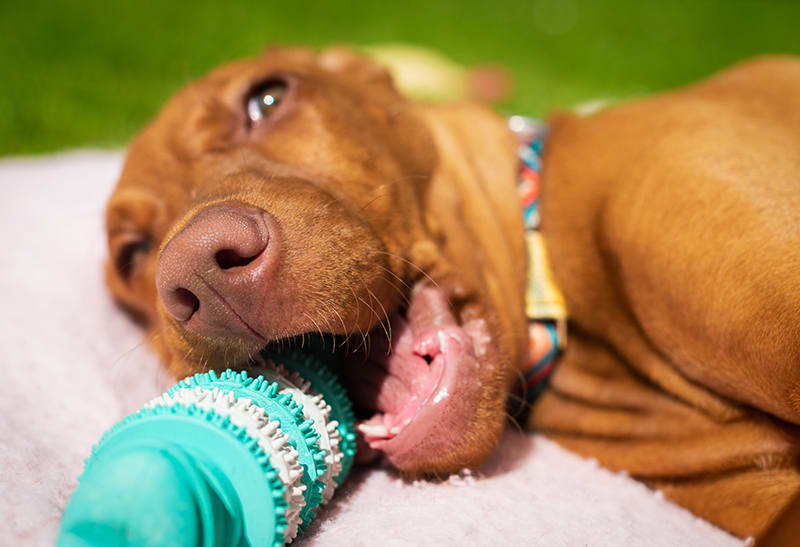
Image Source: www.sharonlakes.com
Fathoming the Core Reasons for Omnivorous Dog Behavior
It is natural for dogs to put things in their mouths. However, when this turns into eating socks, rocks, or remote controls, it stops being cute and becomes risky. Several factors drive this urge to consume anything in sight.
Medical Roots of Eating Non-Food Items
Sometimes, the urge to eat strange things is not behavioral but physical. If your dog suddenly starts eating non-food items, a vet visit is the first step.
Investigating Dog Pica Causes
Pica is the medical term for eating things that have no nutritional value. There are many dog pica causes:
- Nutritional Gaps: If a dog’s diet lacks vital minerals or vitamins, they might try to find those missing elements elsewhere. For instance, a lack of iron might lead a dog to chew on dirt or metal.
- Gastrointestinal Illness: Conditions that cause poor nutrient absorption can trigger pica. If the dog’s body cannot pull in the good stuff from its food, it keeps searching.
- Hormonal Imbalances: Certain diseases, like thyroid problems or diabetes, can change a dog’s appetite or lead to strange cravings.
- Anemia: Low red blood cell counts can sometimes cause dogs to eat strange items.
If your vet rules out medical issues, the focus shifts to behavior.
Behavioral Drivers Behind Constant Consumption
Most cases of eating everything are rooted in the dog’s mind or environment. Dogs are social animals, and their habits often reflect their feelings or daily routine.
The Role of Boredom and Lack of Stimulation
A bored dog will find something to do. If that something is chewing on your leather shoes, you have a problem.
- Lack of Exercise: Dogs need physical activity. A tired dog is usually a good dog. An under-exercised dog has pent-up energy. This energy often comes out as destructive chewing or eating.
- Mental Stagnation: Dogs need mental challenges, too. Puzzle toys, training sessions, and new smells keep their minds busy. A bored brain looks for stimulation—and a tasty-looking sock fits the bill.
Anxiety and Stress as Triggers
Many dogs chew excessively when they feel worried or stressed. This is a self-soothing behavior, much like a human biting their nails.
- Separation Anxiety: Dogs left alone often resort to destructive chewing. Eating objects might be a way to cope with the panic of being separated from their owners.
- Environmental Changes: Moving to a new home, the addition of a new pet, or changes in the family schedule can create stress, leading to increased oral fixation.
Instinct and Exploration
Especially with young dogs, this is normal behavior, though it needs direction.
- Puppy Teething: Puppy chewing everything is a phase. Between three and six months old, puppies chew hard to relieve the pain of new teeth coming in. They explore the world through their mouths, much like human babies.
- Breed Predisposition: Some breeds, like Terriers or Retrievers, have stronger natural tendencies to hold items in their mouths or chew vigorously. This stems from their breeding history (hunting or retrieving).
Navigating the Danger: Dog Ingesting Foreign Objects
The biggest danger in canine indiscriminate eating is the risk of dog ingesting foreign objects. Swallowing things like coins, plastic, or small toys can cause life-threatening blockages.
Identifying Objects That Pose Risks
Not everything a dog eats is harmless. Knowing what your dog shouldn’t swallow is key to prevention.
| High-Risk Items | Potential Danger |
|---|---|
| Small Toys/Parts | Choking hazard, intestinal blockage |
| Socks, Cloth Items | Linear foreign body (can bunch up the intestines) |
| Rocks/Stones | Tooth breakage, intestinal perforation |
| Batteries (especially button cells) | Chemical burns, severe internal damage |
| Corn Cobs | Indigestible, very likely to cause obstruction |
If you suspect your dog has eaten something dangerous, seek veterinarian advice for dogs eating non-food items immediately. Do not wait for symptoms like vomiting or lethargy to appear.
Signs of Internal Blockage
Watch closely for these signs if you know or suspect your dog ate something bad:
- Repeated, unproductive vomiting.
- Loss of appetite or sudden refusal to eat.
- Lethargy or weakness.
- Straining to defecate or diarrhea mixed with blood.
- Abdominal pain (whining when touched near the belly).
Strategies for Managing Dog’s Urge to Consume Everything
Once you know the reason—whether it is medical or behavioral—you can start a management plan. Effective management involves environmental control, training, and enrichment.
Environmental Management: Dog-Proofing Your Home
The easiest way to stop a dog from eating something is to make sure they cannot access it. This is crucial when coping with destructive chewing in dogs.
- Elevate or Secure Valuables: Keep remote controls, reading glasses, chargers, and shoes up high or locked away. If you wouldn’t drop it on the floor for a toddler, secure it away from your dog.
- Use Dog-Proof Containers: Store trash cans with secure, locking lids. Use cabinets for cleaning supplies and medications.
- Crate Training: A crate is not punishment. It is a safe space where your dog can rest without access to potential hazards when you cannot supervise them closely.
- Supervision is Key: Never leave a known chewer unsupervised with items they like to ingest. Use baby gates to limit access to dangerous rooms.
Enrichment: Addressing Boredom Head-On
If boredom fuels the urge to eat, provide better, acceptable outlets for chewing and exploration.
Offering Appropriate Chew Toys
Dogs need to chew. Give them lots of safe, engaging alternatives.
- Variety is Vital: Offer different textures: hard rubber toys, durable nylon bones, frozen carrots, or puzzle toys stuffed with peanut butter.
- Rotate Toys: Keep the selection fresh. Put half the toys away and swap them out weekly. This makes old toys seem new and exciting again.
- Interactive Feeding: Move away from just using a bowl. Use slow feeders or food-dispensing toys. This makes eating an activity that takes time, satisfying their need to work for food.
Training Techniques for Impulse Control
Training teaches your dog what they are allowed to eat and when to leave something alone.
Mastering the “Leave It” Command
This is the most important command for a dog that eats strange things.
- Start Simple: Hold a low-value treat in a closed fist. Say “Leave It.” When the dog stops trying to get it, open your hand and immediately reward them with a better treat from your other hand.
- Increase Difficulty: Move to putting the low-value item on the floor. Cover it with your hand. Say “Leave It.” Reward with the hidden treat when they back away.
- Real-World Application: Practice with non-food items (a toy, a sock) outside. The goal is for your dog to choose to look at you instead of the forbidden item.
Improving Recall (“Come”)
A strong recall lets you call your dog away from a tempting item before they can grab it. Practice “Come” frequently in low-distraction areas first, building up to busier environments.
Addressing Underlying Anxiety
If stress is a primary factor in why dogs eat strange things, focus on calming techniques.
- Establish Routine: Predictable feeding times, walks, and rest periods reduce anxiety.
- Positive Reinforcement Training: Focus on rewarding calm behavior. This builds your dog’s confidence and strengthens your bond.
- Professional Help: For severe anxiety leading to dog ingesting foreign objects, consult a certified veterinary behaviorist or use calming aids like pheromone diffusers or prescribed anti-anxiety medication, always under veterinarian advice for dogs eating non-food items.
Deciphering Specific Scenarios: Pica vs. Play
Sometimes, the line between eating for nutrition and eating for fun is blurry. Let’s look closer at specific situations mentioned, like nutritional deficiencies causing dogs to eat everything versus normal puppy chewing everything.
When Chewing is Developmentally Normal
For young dogs, intense oral exploration peaks during teething.
- Age Range: Roughly 3 to 7 months.
- Goal: Relieve gum pain and gather information about texture and taste.
- Management Focus: Providing safe, textured chew toys that offer resistance to soothe their gums.
This behavior naturally subsides once the adult teeth are in. If it continues intensely past 8 months, look for underlying boredom or anxiety.
Investigating True Pica
If the dog consumes non-food items like dirt, feces, or stones frequently, it signals a deeper issue.
| Observation | Potential Implication | Next Step |
|---|---|---|
| Eating dirt/grass excessively | Possible mineral deficiency or nausea | Bloodwork and GI check by a vet |
| Obsessively licking or chewing fabric/plastic | High anxiety or compulsive behavior | Behavior consultation |
| Eating feces (Coprophagia) | Nutritional gap or learned behavior | Fecal analysis; diet review |
If you are managing dog’s urge to consume everything and they keep targeting non-food items, diligent tracking is essential. Keep a log of what they eat, when, and where. This data is vital for your vet.
The Human Element: Consistency and Patience
One of the toughest parts of coping with destructive chewing in dogs is maintaining consistency. Every person in the household must follow the same rules.
If one person allows the dog on the couch with a prohibited item, the training is undermined.
Correcting the Behavior in the Moment
When you catch your dog eating something inappropriate:
- Stay Calm: Do not yell or chase. This turns the forbidden item into a high-value game of keep-away.
- Use the Trade: Offer a high-value trade. Say “Drop it” (or “Give”). When they release the item, immediately give them a favorite toy or a jackpot treat.
- Remove the Item Safely: Once the item is dropped, put it away immediately so they cannot try to grab it again.
This teaches the dog that dropping something leads to a positive outcome, not a confrontation.
When to Seek Expert Help
Know your limits. While basic training helps with simple boredom chewing, severe compulsions or repeated dog ingesting foreign objects require professional intervention.
Consult a professional if:
- The behavior starts suddenly in an adult dog.
- The dog is injuring itself while trying to eat items (e.g., breaking teeth on rocks).
- Medically managed pica is not improving.
- Anxiety seems severe, leading to destructive habits.
Professionals can offer specific protocols tailored to your dog’s history and temperament, helping you effectively manage this challenging aspect of why dogs eat strange things.
Frequently Asked Questions (FAQ)
Q1: Is it dangerous if my dog eats a little bit of dirt?
A: Eating a small amount of clean dirt occasionally is usually not harmful. However, dirt can harbor parasites, fertilizers, or chemicals. If your dog is frequently eating dirt, it suggests a possible nutritional deficiencies causing dogs to eat everything or an underlying gastrointestinal issue. Contact your vet for advice.
Q2: Can I use taste deterrents to stop my dog from chewing on furniture?
A: Yes, taste deterrent sprays (like bitter apple) can be very helpful when coping with destructive chewing in dogs. Spray them on items you cannot easily move. However, deterrents only work if you also provide acceptable alternatives. If the dog is chewing due to high anxiety, deterrents alone will not solve the root problem.
Q3: How long does puppy chewing phase last?
A: The intense teething phase where puppy chewing everything is common usually lasts until the puppy is about six to seven months old, when all adult teeth are fully in. Continued intense chewing after this age often points toward boredom or stress.
Q4: What is the best way to stop a dog from eating grass?
A: While grass eating is common, if it is excessive, rule out nausea or diet issues with your vet. If medical issues are cleared, ensure your dog is getting enough roughage in their diet. Also, ensure they are not eating grass treated with pesticides. Increase exercise to rule out boredom as a cause.