
The direct answer to how long after a heat can a dog be spayed is that most veterinarians recommend waiting at least four to eight weeks after the heat cycle ends before performing the surgery. This waiting period is crucial for the dog’s health and to ensure the best surgical outcome.
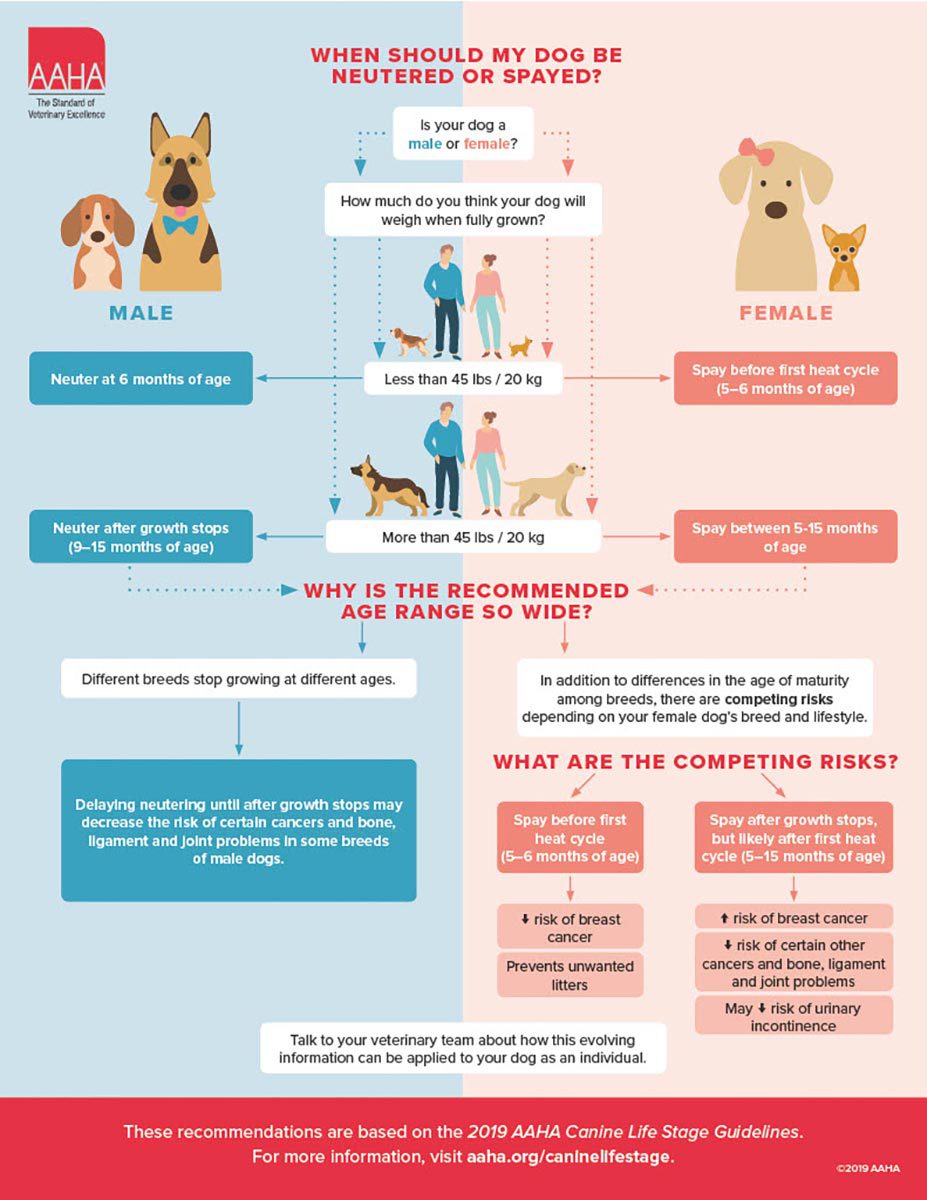
Image Source: southeastoakvillevet.ca
Deciphering Post-Heat Spay Timing
Knowing when to spay after a heat cycle is a key decision for every dog owner whose female dog has recently finished her reproductive period. Spaying, or ovariohysterectomy, is the surgical removal of the ovaries and uterus. While it is often best to spay a dog before her first heat to gain the maximum health benefits, sometimes owners wait until after a heat. This might happen due to scheduling conflicts, the dog being older than expected when she went into heat, or simply not making the decision until the heat is over.
The time immediately following a heat is a critical window for surgery timing. Delaying too long after the heat can increase certain risks, but operating too soon can cause significant problems. Finding the optimal time for dog spaying post-estrus requires a careful balance.
The Heat Cycle Phases and Their Impact
A female dog’s heat cycle, or estrus, has distinct phases that affect the reproductive organs. During the heat, the body undergoes major hormonal shifts. These changes directly impact the size, blood supply, and texture of the uterus and ovaries.
Proestrus and Estrus (The Heat Itself)
During proestrus and estrus, the dog is actively receptive to mating. Hormones, especially estrogen, are high. This causes the uterus to swell and become engorged with blood.
- Increased Blood Supply: The tissues around the uterus have many more blood vessels. This means more bleeding is likely during surgery.
- Enlarged Organs: The uterus is larger and softer. This makes the surgery technically harder for the vet.
Spaying a dog during this time carries significant health risks of spaying during heat. Vets strongly advise against it.
Diestrus (The Phase After Heat)
Diestrus begins after the fertile period ends. This phase lasts for several weeks. During diestrus, progesterone levels rise. High progesterone prepares the uterus for potential pregnancy. If the dog was not mated, the uterus may still be large and active.
If a dog is spayed too soon after the heat, the tissues are still swollen and full of blood due to the lingering hormonal effects. This increases the risk of complications during and after surgery.
The Recommended Waiting Period After Dog Heat for Surgery
Veterinarians generally adhere to a specific timeframe to allow the body to normalize after the hormonal surge of the heat cycle.
Why Waiting is Necessary
Waiting allows the reproductive organs to return to their resting, non-pregnant state. This makes the surgery safer and easier.
- Reduced Bleeding: As hormones normalize, the blood vessels in the uterus shrink down. This results in significantly less blood loss during the ovariohysterectomy.
- Firm Tissues: The uterus becomes firmer and easier for the surgeon to handle and secure during the procedure.
- Lower Risk of Pyometra Complications: While spaying prevents pyometra (a severe uterine infection), tissues that have recently experienced hormonal stimulation can sometimes react differently to the surgery.
Setting the Schedule: Post-Heat Spay Timing
The standard advice for post-heat spay timing centers around a period of calm after the physical signs of heat have completely disappeared.
| Time After Heat Ends | Surgical Recommendation | Reason |
|---|---|---|
| 1 – 3 Weeks | Not Recommended | Tissues still highly vascularized; risk of bleeding is high. |
| 4 – 8 Weeks | Optimal Window | Hormonal levels balanced; uterus is small and less bloody. |
| Over 8 Weeks | Safe, but monitor cycles | Good time, but the owner should be mindful of the next heat approaching. |
Spaying a female dog after her period (the bleeding phase) should ideally wait until the swelling subsides and discharge stops entirely, placing the dog firmly in that 4 to 8-week sweet spot.
Factors Affecting Post-Heat Spay Timing
The factors affecting post-heat spay timing are not the same for every dog. A veterinarian must assess several variables before giving a final date for the procedure.
Dog Age and Health Status
Younger dogs tend to rebound faster from hormonal fluctuations than older dogs. However, if the dog has underlying health issues, the vet might suggest waiting longer to ensure peak health before anesthesia and surgery.
Length and Intensity of the Previous Heat
Some dogs have very short, light heats. Others have long, heavy heats that seem to last forever. The longer and more intense the heat, the longer the healing time required internally before surgery is advisable. A vet will look for a complete cessation of all discharge and swelling signs.
Risk of Pregnancy
This is a major factor. If there is any chance the dog mated, the vet may need to perform an ultrasound or blood test to check for pregnancy. Spaying a pregnant dog is more complex, and the veterinarian must discuss the risks associated with removing a pregnant uterus.
Breed Predisposition
Some breeds mature slower or have longer heat cycles. Discussing breed-specific norms with your vet is helpful in fine-tuning the timeline.
Health Risks of Spaying During Heat vs. Waiting
Why is the waiting period so important? The primary concern revolves around surgical complications directly linked to the hormonal state of the dog.
Complications of Spaying Immediately After Heat
If you push the surgery too soon, you face risks related to the immediate post-estrus phase.
- Excessive Hemorrhage (Bleeding): This is the greatest risk. Increased blood flow to the uterus means the surgeon must tie off more and larger blood vessels. This increases surgical time and the risk of internal bleeding post-operation.
- Surgical Difficulty: The swollen tissues are fragile and slippery, making accurate dissection and suturing more challenging.
- Infection Risk: Although low in a clean surgical setting, handling fragile, highly perfused tissues can sometimes marginally increase infection potential compared to operating on rested tissues.
The Advantages of the Ideal Wait
Choosing the best time to schedule dog spay surgery (4 to 8 weeks later) maximizes safety.
- Simpler Procedure: The uterus is smaller, requiring less extensive dissection.
- Quicker Recovery: Less trauma to the surrounding tissues often translates to less post-operative pain and a smoother recovery time after dog heat before surgery considerations are removed.
Preparing for Surgery After the Heat
Once the vet confirms the safe window, preparation for the spay is similar to any routine surgery.
Pre-Surgical Checks
Before the optimal time for dog spaying post-estrus, the vet will conduct a thorough check.
- Physical Exam: To confirm all signs of heat have truly passed.
- Blood Work: Standard pre-anesthesia blood tests ensure the dog’s internal organs (liver, kidneys) are functioning well enough to process anesthetic drugs.
Dietary Restrictions
Fasting instructions are standard. The dog must have no food after midnight the night before surgery. Water may be allowed up until a few hours before the drop-off time. Following these rules prevents aspiration pneumonia—a serious risk if the stomach is full during anesthesia.
What if My Dog is Older and Has Never Been Spayed?
For older dogs who have gone through multiple heats, the decision to spay after a cycle is still governed by the same rules. However, there is an added consideration: the uterus has had more time to develop.
Increased Risk of Pyometra in Intact Older Females
If a female dog has had several heat cycles, her risk of developing pyometra increases significantly, especially after her next heat cycle finishes. Pyometra is a life-threatening infection of the uterus that requires emergency surgery.
If an older dog just finished her heat, getting her scheduled in the 4 to 8-week window is even more important than for a younger dog, as it prevents her from cycling again soon, which dramatically raises the pyometra risk.
Addressing Misconceptions About Spaying After Heat
There are some common myths surrounding spaying a female dog after her period that need clearing up.
Myth 1: Spaying After Heat Causes Weight Gain
This is false. Weight gain is caused by overfeeding or lack of exercise after the procedure, not the timing of the surgery relative to the heat cycle. Hormonal changes post-spay can slightly lower metabolism, but diet and exercise control weight.
Myth 2: Spaying Immediately Stops a False Pregnancy
If a dog shows signs of a false pregnancy (mammary development, nesting, behavioral changes) after a heat, the vet might recommend waiting until the false pregnancy resolves naturally. Spaying during a false pregnancy can sometimes prolong mammary gland changes because the hormones are still very active. The general rule still applies: wait until the body has normalized.
Myth 3: Waiting for a Dog to Have One Heat is Good for Development
Unless a vet specifically advises waiting for skeletal maturity (usually in very large breeds), there is no known health benefit to allowing a dog to have one heat cycle before spaying. In fact, delaying spaying significantly increases the risk of mammary cancer later in life. The health benefits (reducing breast cancer risk by 99% if done before the first heat) are maximized by early sterilization.
Navigating Scheduling Conflicts: When Waiting is Difficult
Occasionally, life intervenes. Perhaps a family vacation is scheduled shortly after the heat ends, or the vet is completely booked.
If your dog is approaching the end of the 8-week window, your vet will need to re-evaluate. If it’s been 10 or 12 weeks, the risk associated with hormonal tissue swelling is significantly lower, and the surgery is generally safe again. The key is to avoid that immediate, high-risk window of weeks 1 through 3 post-heat.
If you must schedule surgery close to the next heat cycle (e.g., 3 months later), communicate clearly with your veterinarian. They may want to schedule the pre-op blood work closer to the surgery date to check hormone levels, just to be extra safe before proceeding with the operation.
Summary: The Safe Timeline
For owners asking, “How long after a heat can a dog be spayed?”, the key takeaway should be patience and collaboration with your veterinary team. Allowing the dog’s body time to recover from the intense hormonal stimulation of estrus is paramount to achieving a smooth surgery and a swift recovery.
Stick to the general rule: Wait at least four weeks, and preferably six to eight weeks, after all signs of heat—bleeding, swelling, and discharge—have completely vanished before scheduling the ovariohysterectomy. This adheres to the best time to schedule dog spay surgery post-estrus and minimizes complications of spaying immediately after heat.
Frequently Asked Questions (FAQ)
How soon after a dog’s bleeding stops can I schedule the spay surgery?
While bleeding stopping is a good sign, it only marks the end of proestrus. You should still wait several additional weeks (ideally 4-8 weeks total from the start of the bleeding cessation) to allow the uterus to shrink fully from its hormonal state.
Is spaying a dog during heat dangerous?
Yes, spaying during active heat is strongly discouraged by most veterinarians due to the significantly increased blood supply to the uterus, which raises the risk of severe hemorrhage during surgery.
If my dog had a very short heat cycle, can I wait less than four weeks?
Even if the heat was short, the underlying hormonal effects on the uterine tissue might still be present. It is safest to adhere to the minimum four-week waiting period unless your veterinarian specifically advises otherwise based on a physical examination.
What if I suspect my dog mated? Should I wait before spaying?
If you suspect mating, you must consult your vet immediately. They may recommend a pregnancy test. If she is pregnant, the timing and type of surgery change. If she is not pregnant, they will likely still recommend waiting the standard 4-8 weeks for safety, as the hormonal surge from the heat remains the primary concern for surgical complications.
Does the age of the dog change the post-heat waiting period?
Generally, no. The physiological changes related to the heat cycle require the same normalization period regardless of age. However, older dogs have a higher baseline risk of other complications (like pyometra), making adherence to the optimal timing even more critical.